Official Book Launch: Melbourne Holocaust Museum, Sunday 14 June 2026
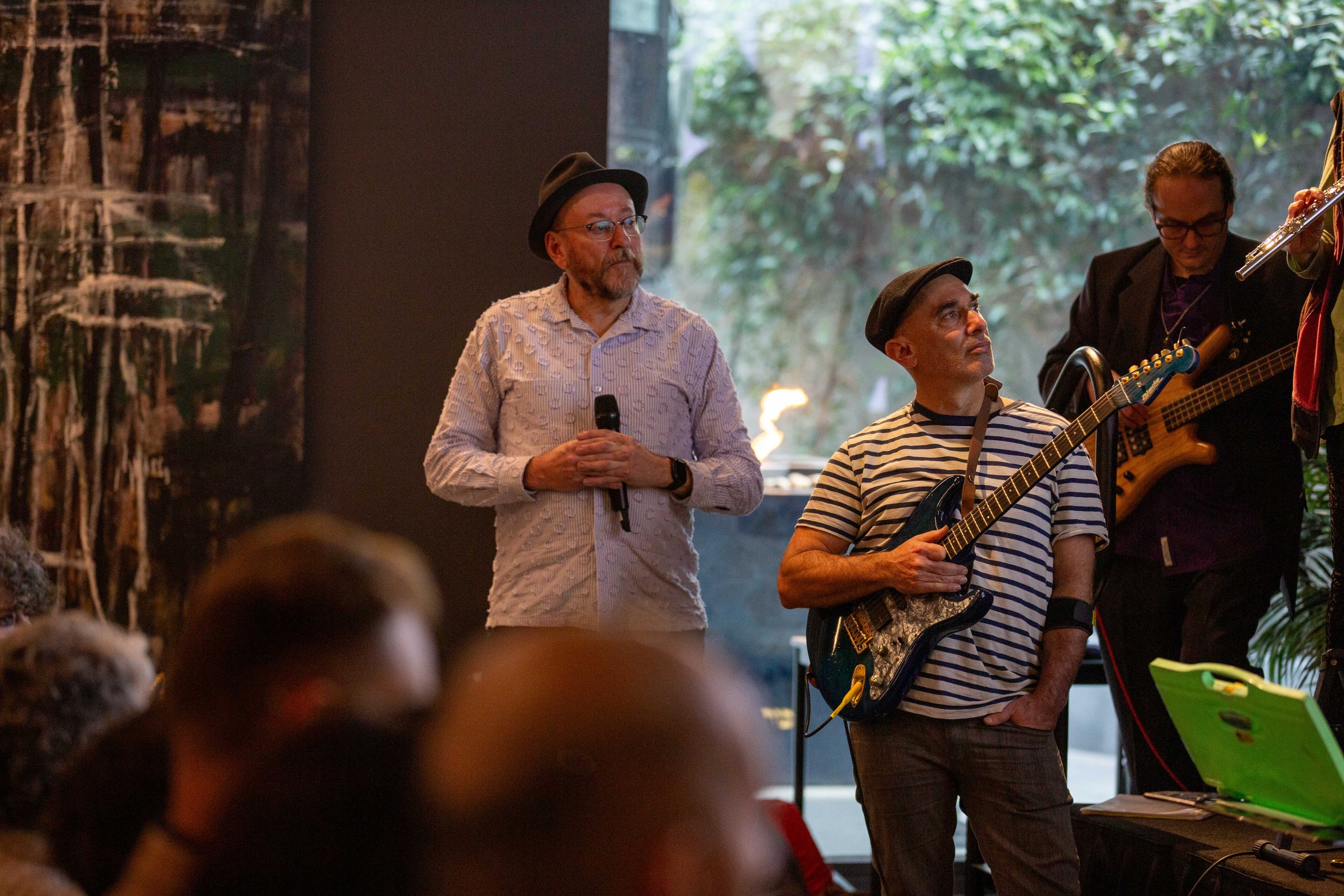
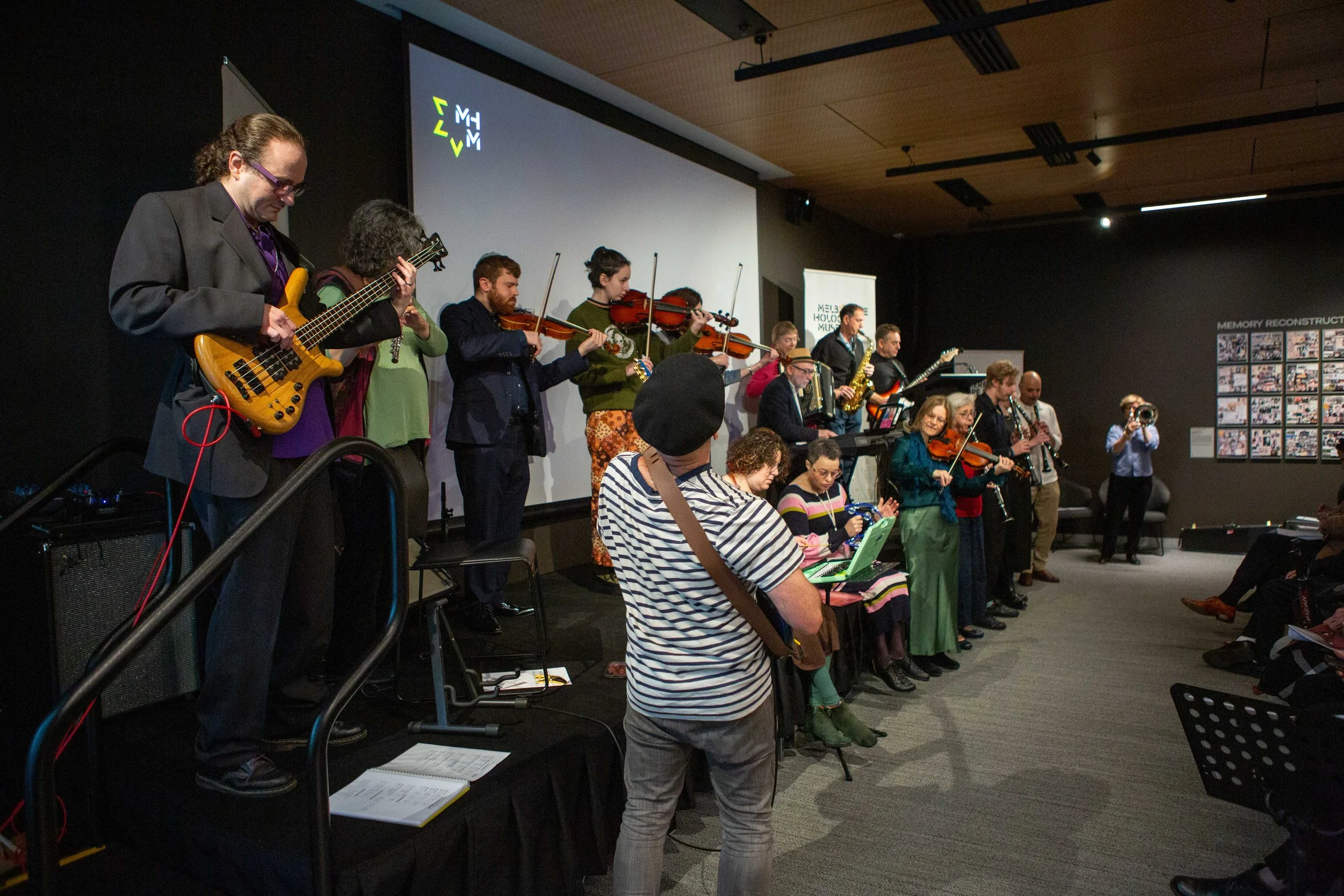
The day finally came for our official launch at the Melbourne Holocaust Museum. We chose Melbourne because of its central place in the Yiddish-speaking world. Prior to formal commencement, the Melbourne Klezmer School led by Dr Adam Starr played some traditional melodies, including ones that had been performed in camps and ghettos.
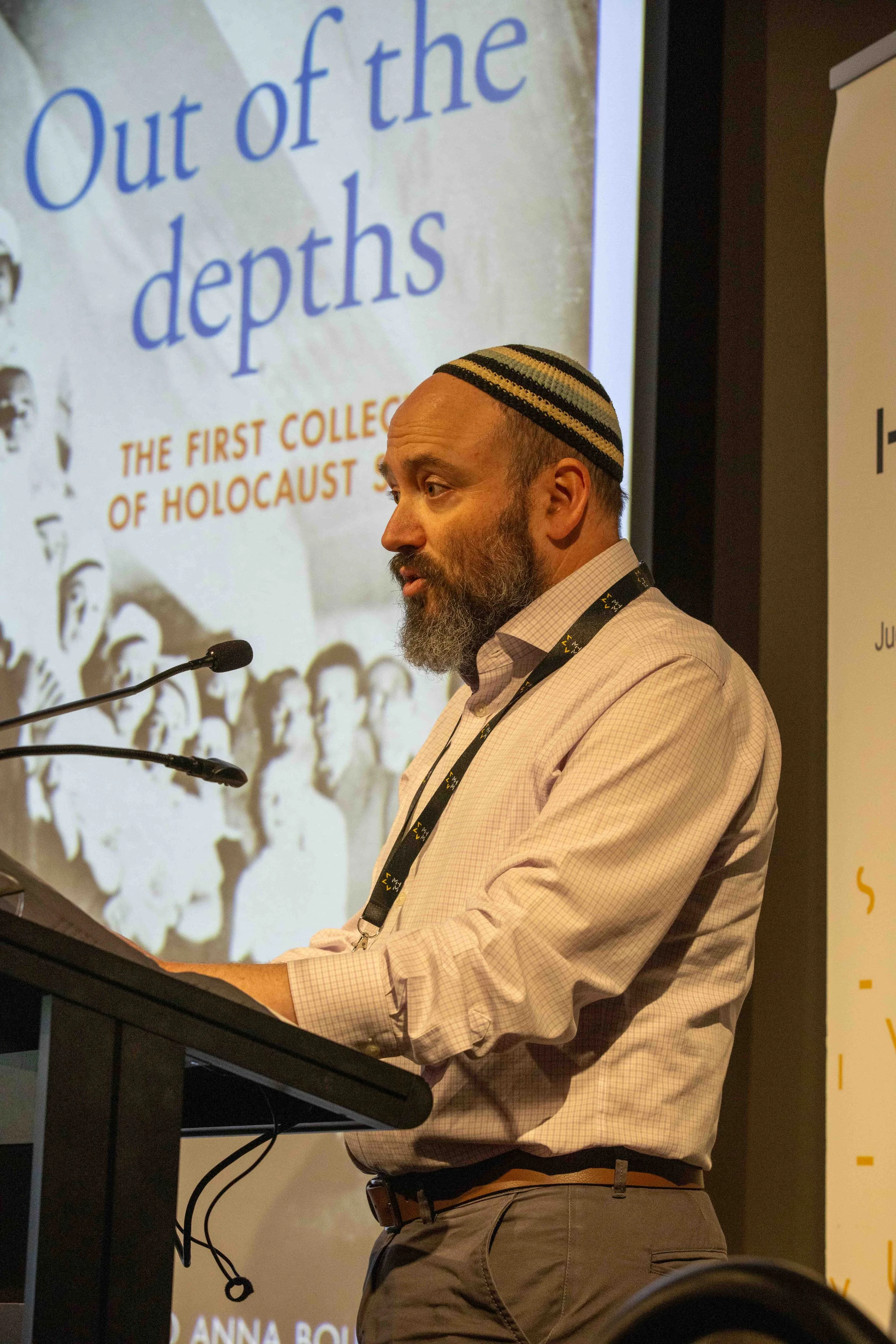
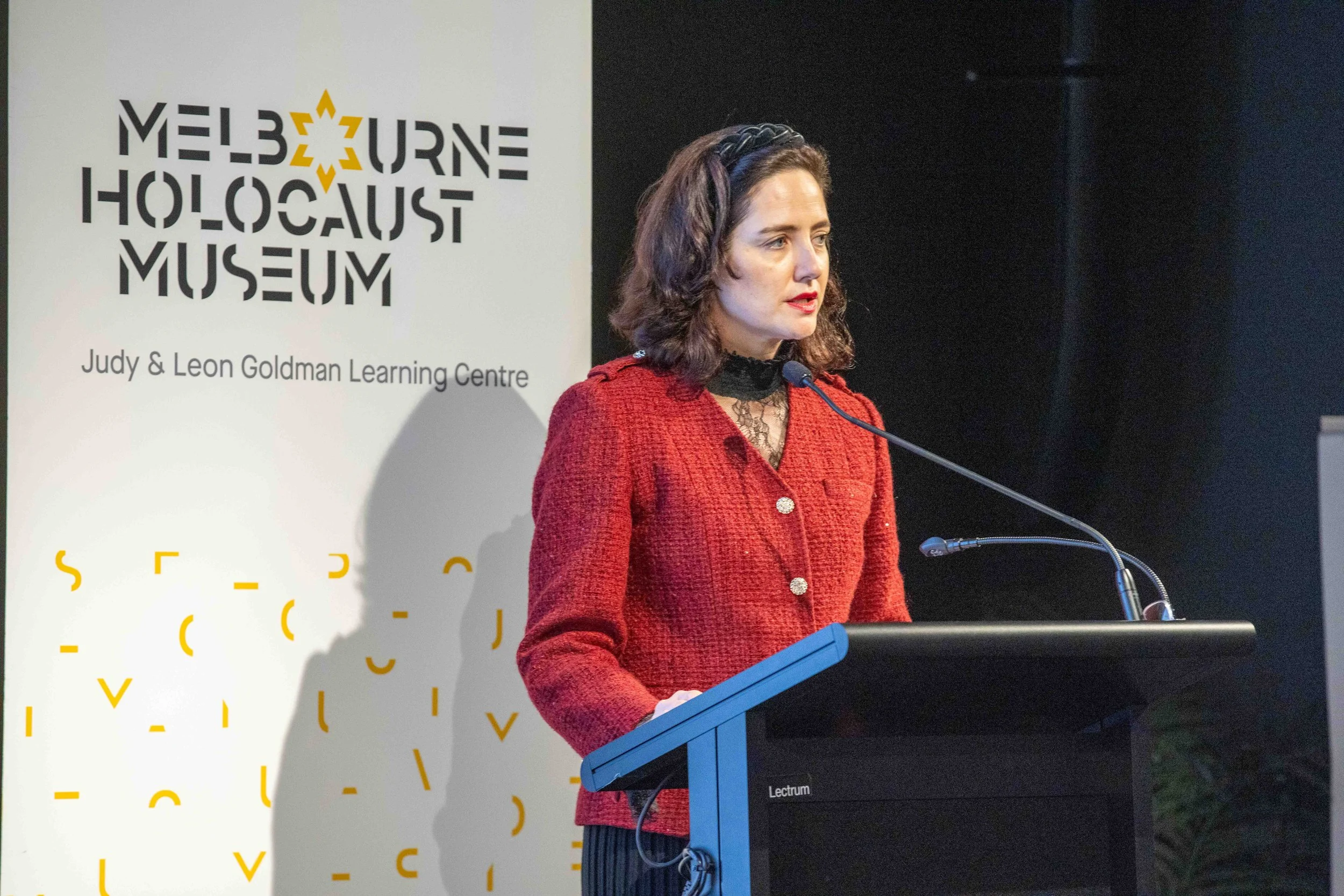
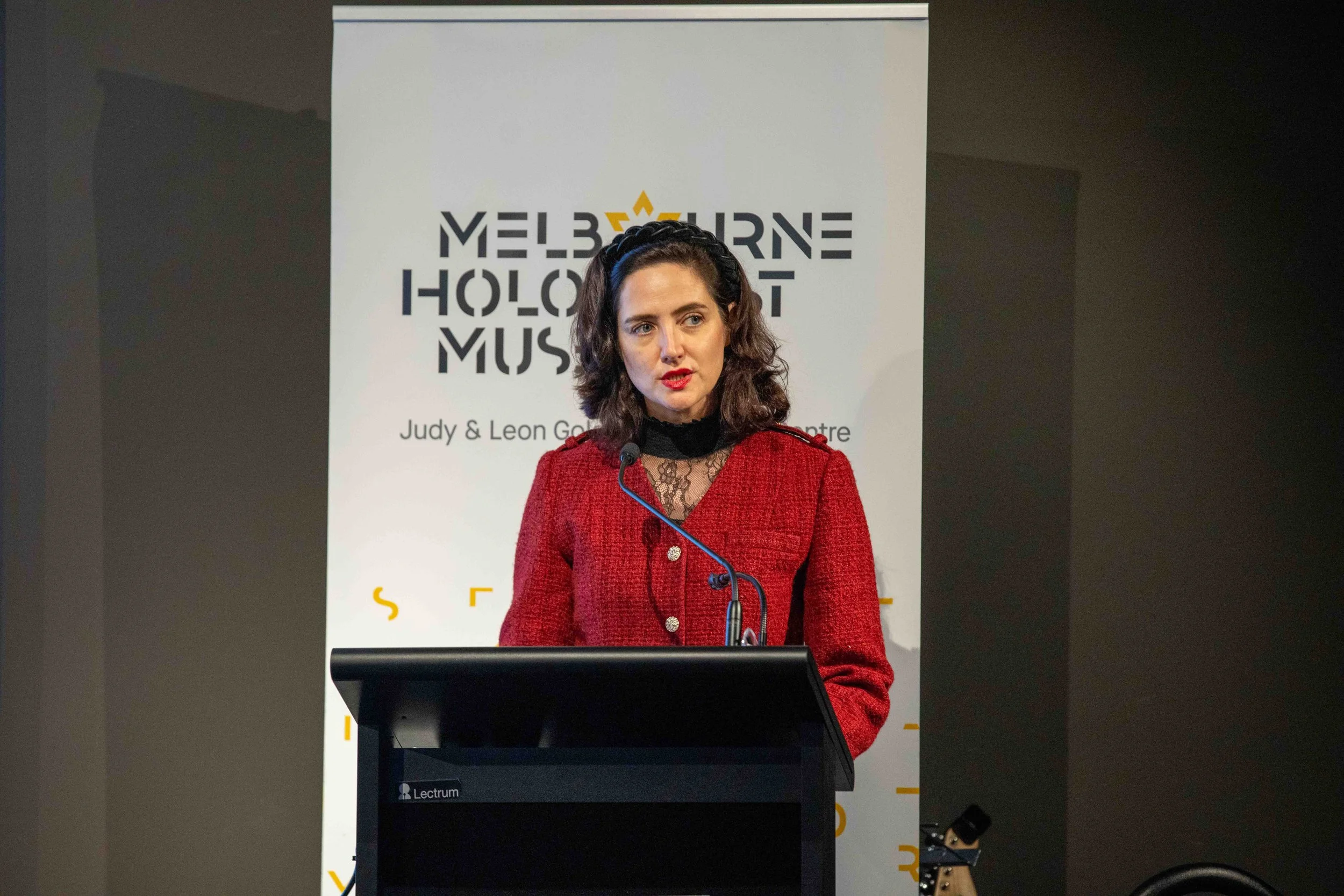
Dr Simon Holloway from the Museum began with an acknowledgement of country in Yiddish and a welcome to all, especially those Holocaust survivors in the audience. This was followed by a video from Emeritus Professor Linda Barwick, who was not physically able to be with us on the day; and a keynote by Laureate Professor Marcia Langton AO, anthropologist and geographer, and one of Australia’s most distinguished First Nations academics. You can read a short summary of her inspiring speech below the photos.
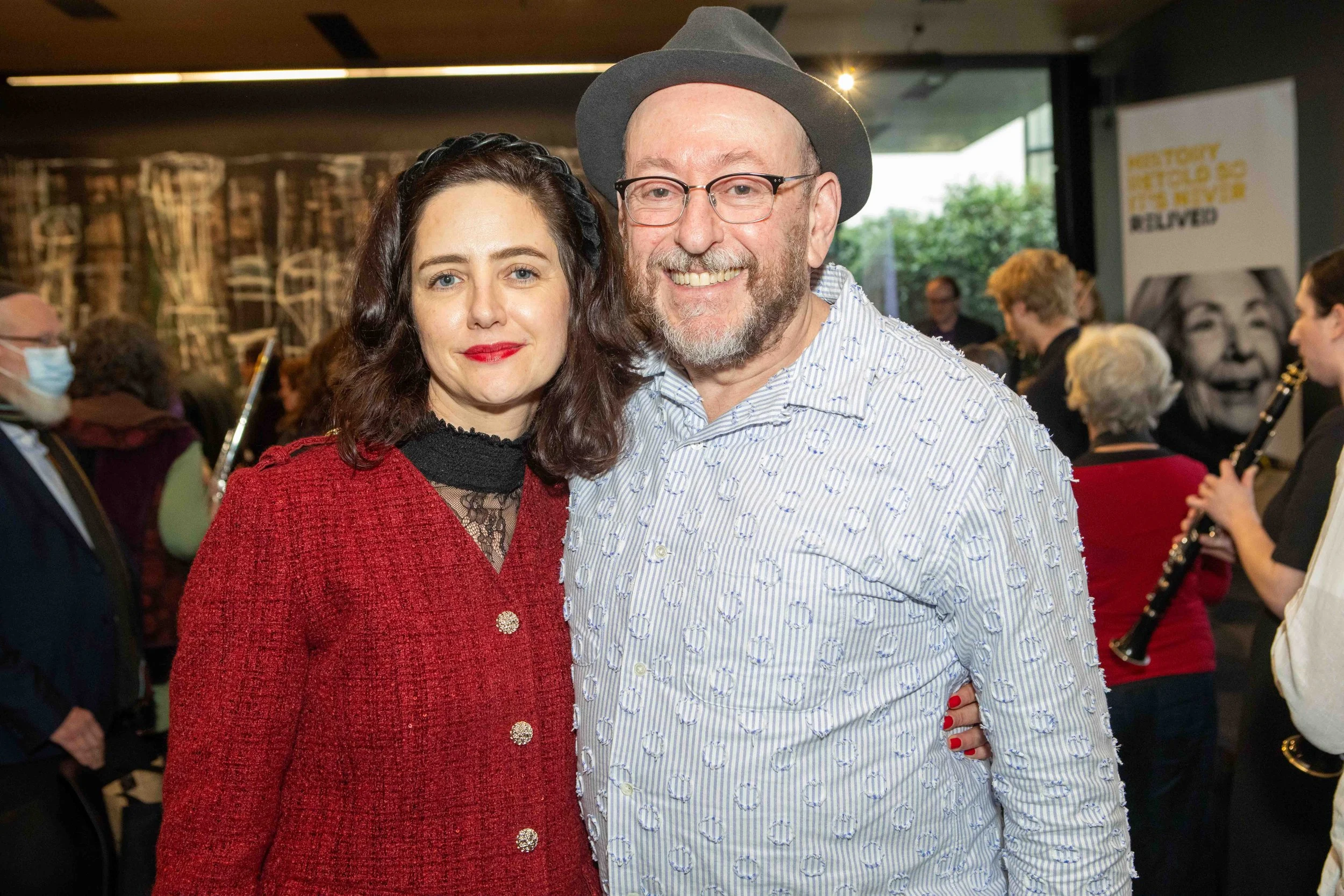
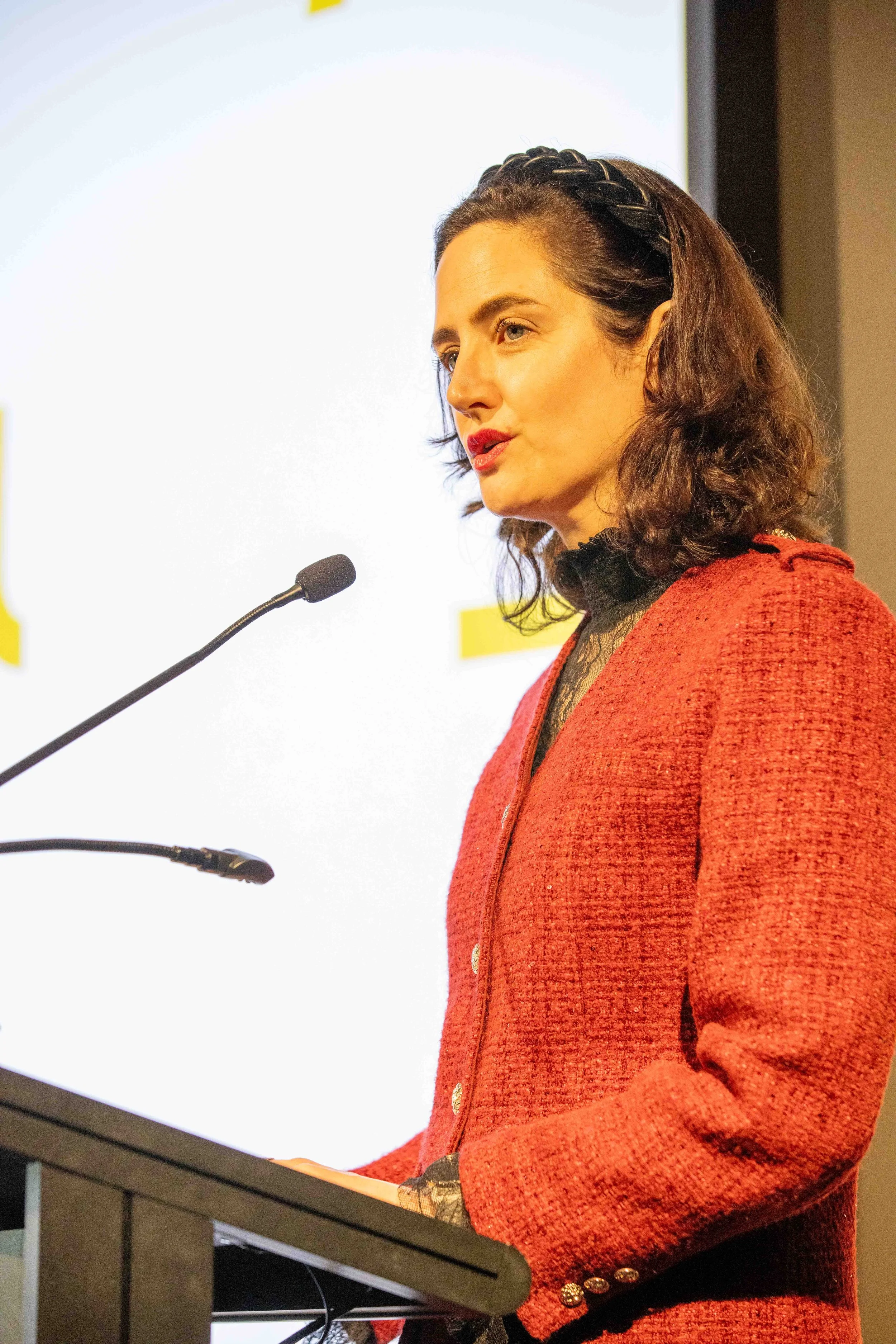
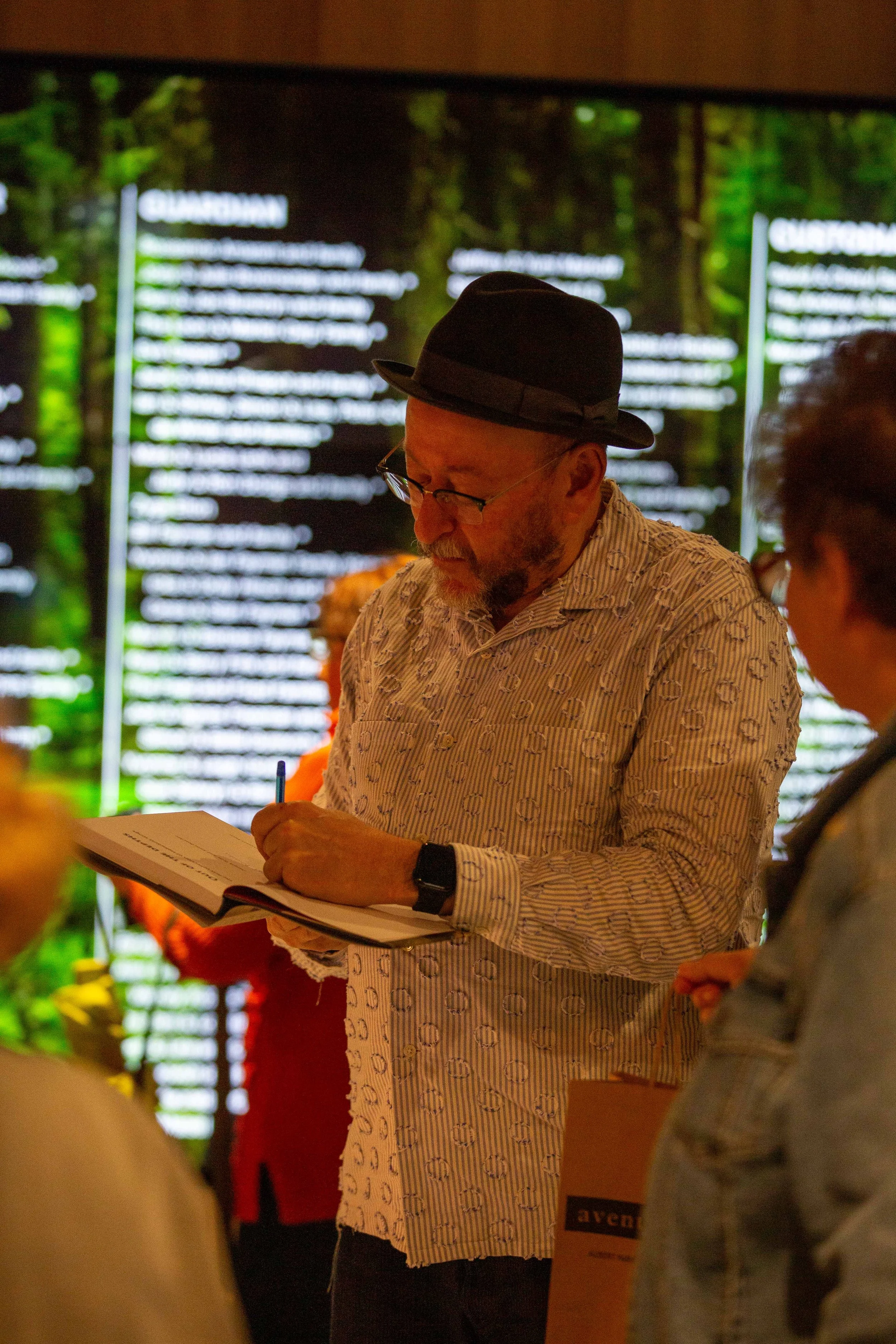
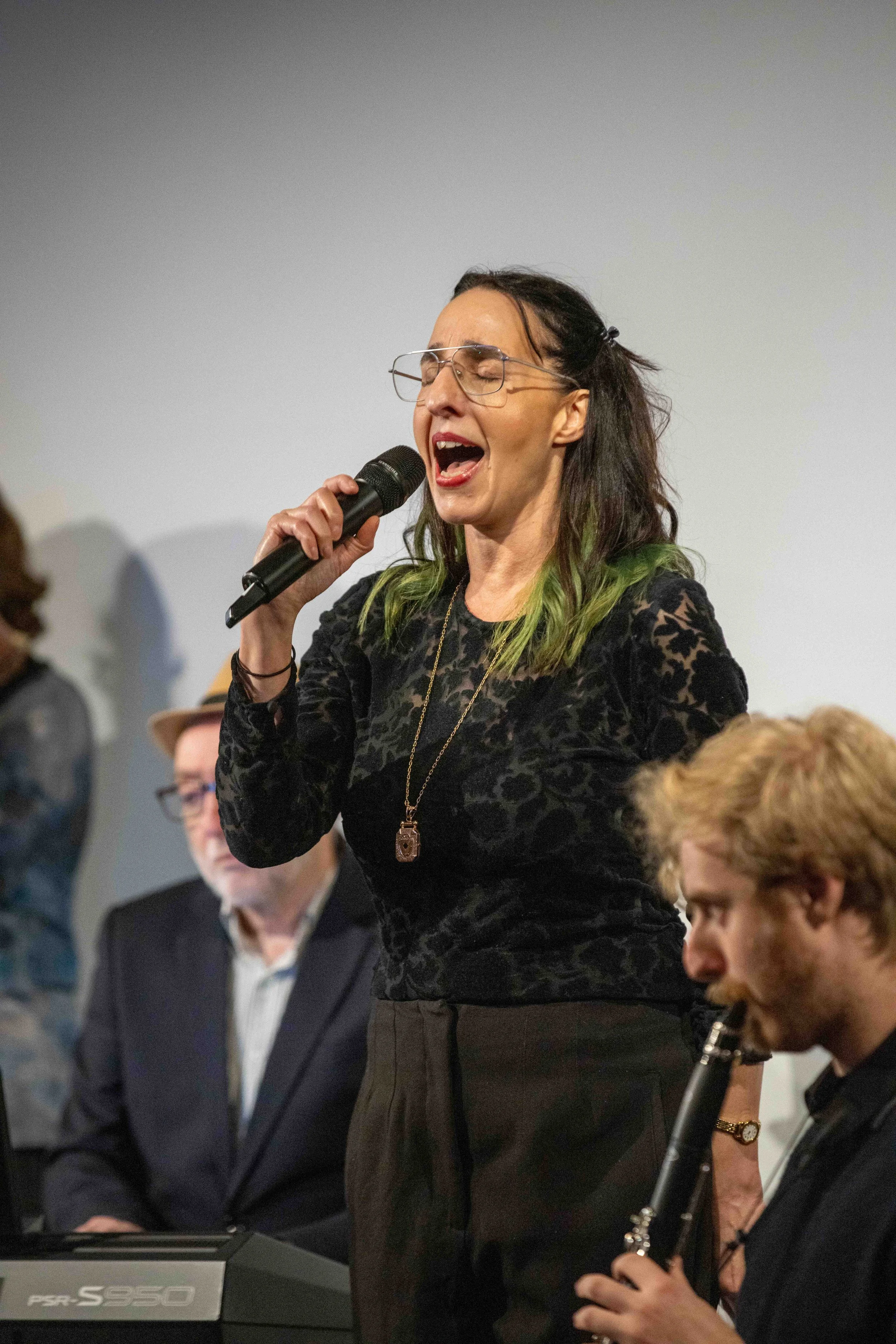
Anna’s speech paid tribute to the courage and tenacity of the book’s custodian, Olga R. This was followed by a short speech from Joseph, and then musical numbers performed by Joseph, Karen Feldman, Adam Starr and the Melbourne Klezmer School. A huge thanks to Dr Adam Starr for coordinating and arranging all the music for the day!
Proceedings wrapped up with a thank you from the co-Chair of Kadimah Jewish Cultural Centre, Renata Singer, and all joined in the singing of the Partisan March, Zog nit keynmol.
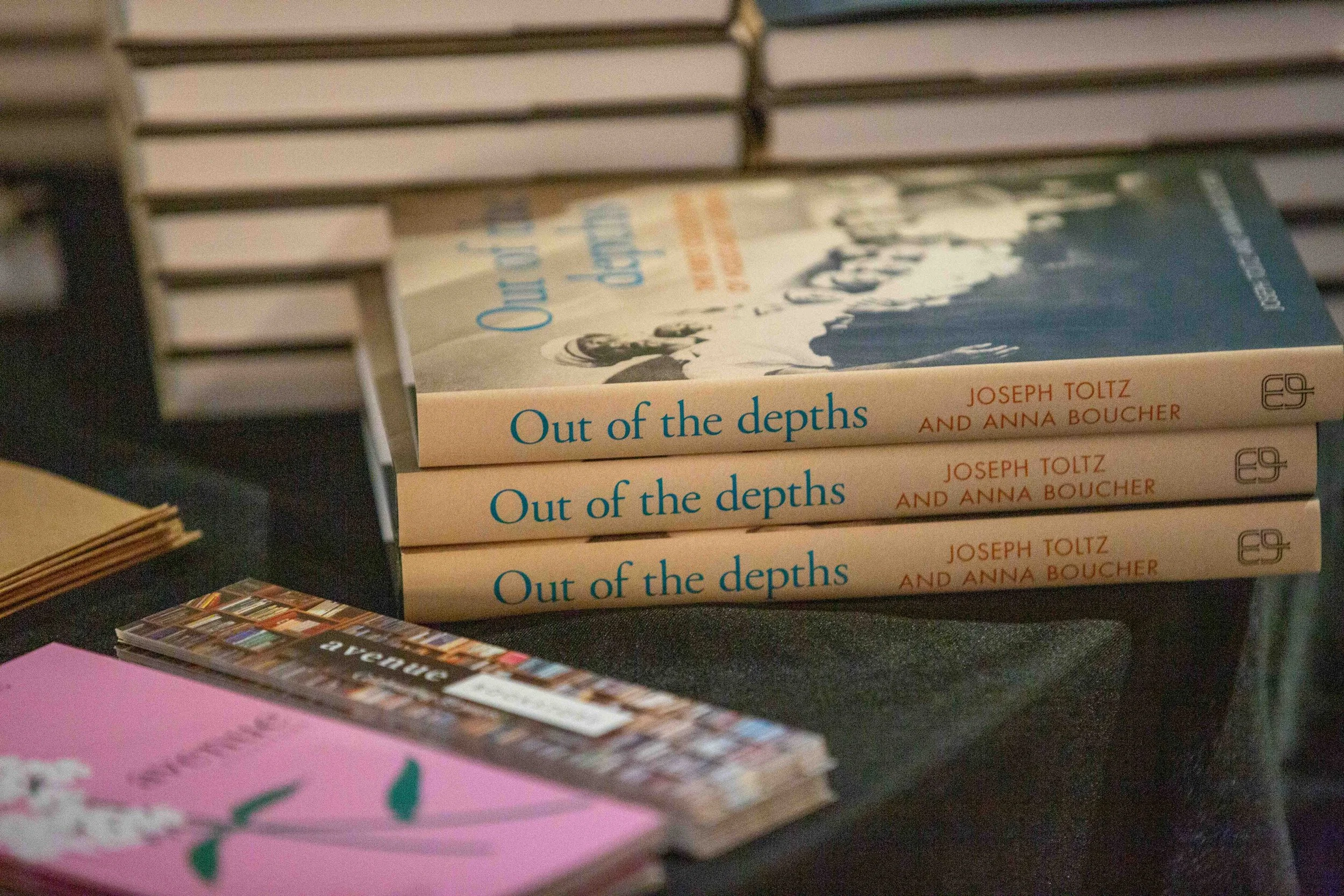
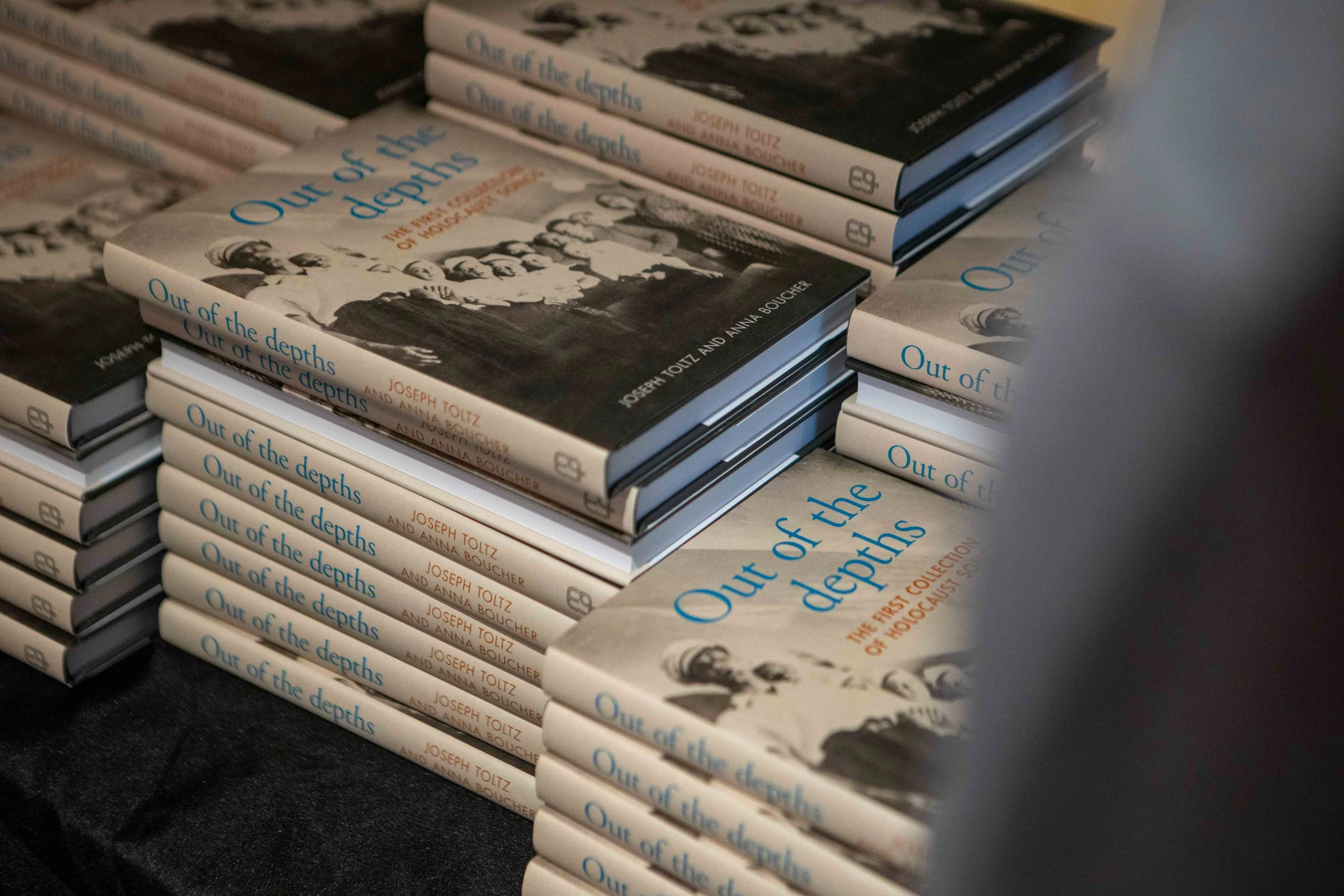
Special thanks must be made to the P & S Bassat Foundation, the Melbourne Holocaust Museum, Kadimah Jewish Cultural Centre and the Australian Centre for Jewish Civilisation for their generous sponsorship of the event. We also want to thank The Avenue Bookstore Elsternwick, who managed to sell out all the copies of the book and did a wonderful job. Finally, credit for all photography and filming goes to Tuvsday Photography and Video.
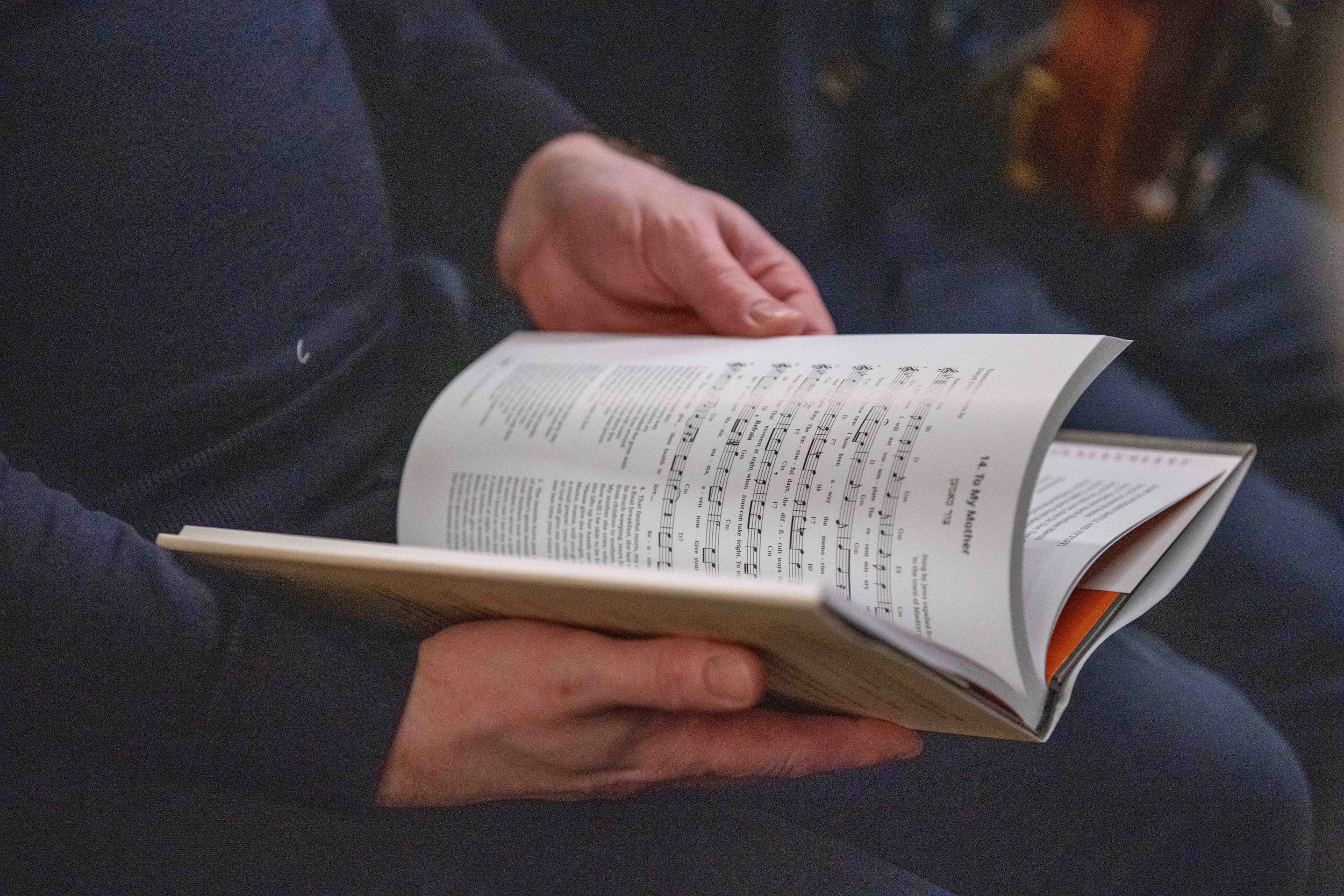
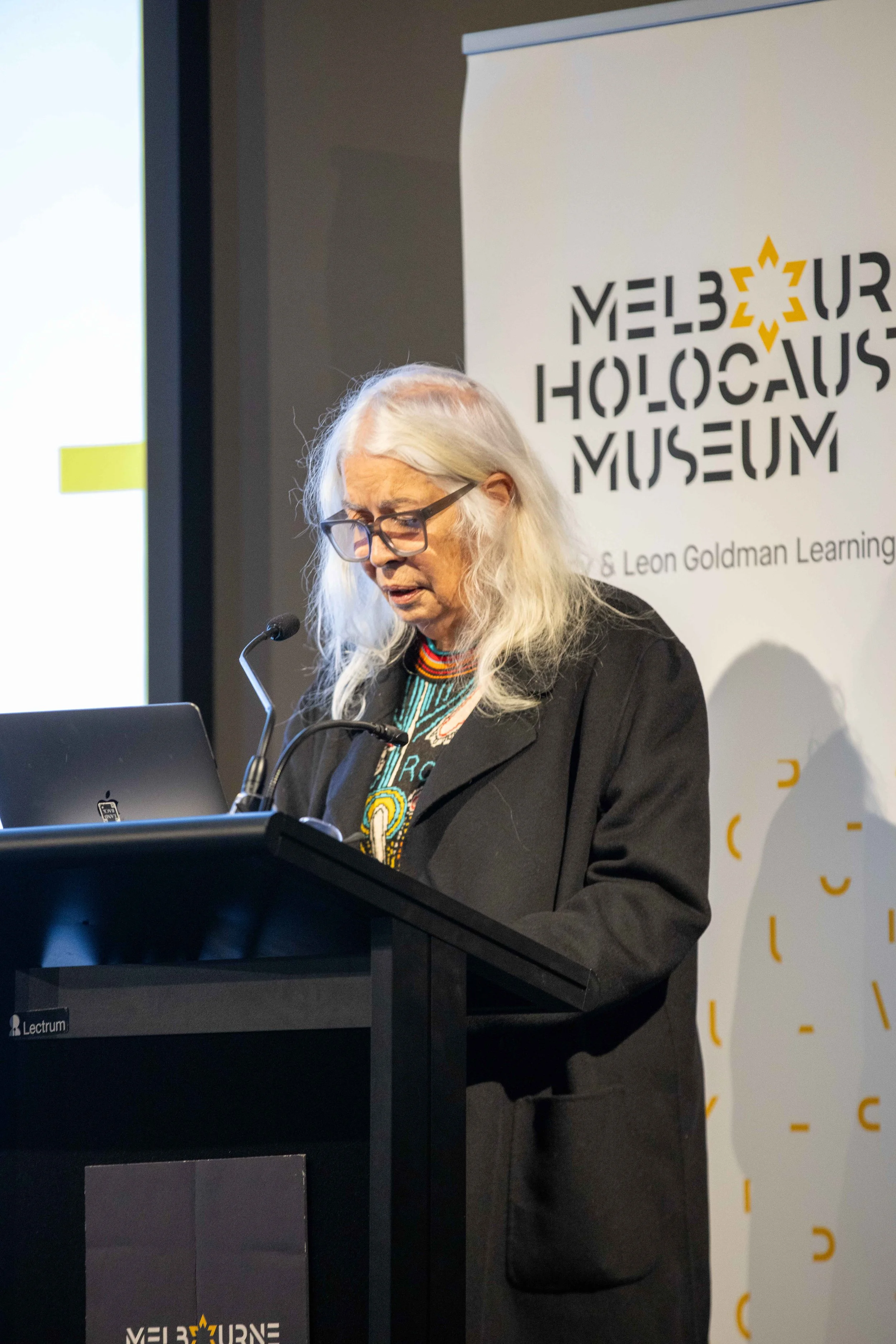
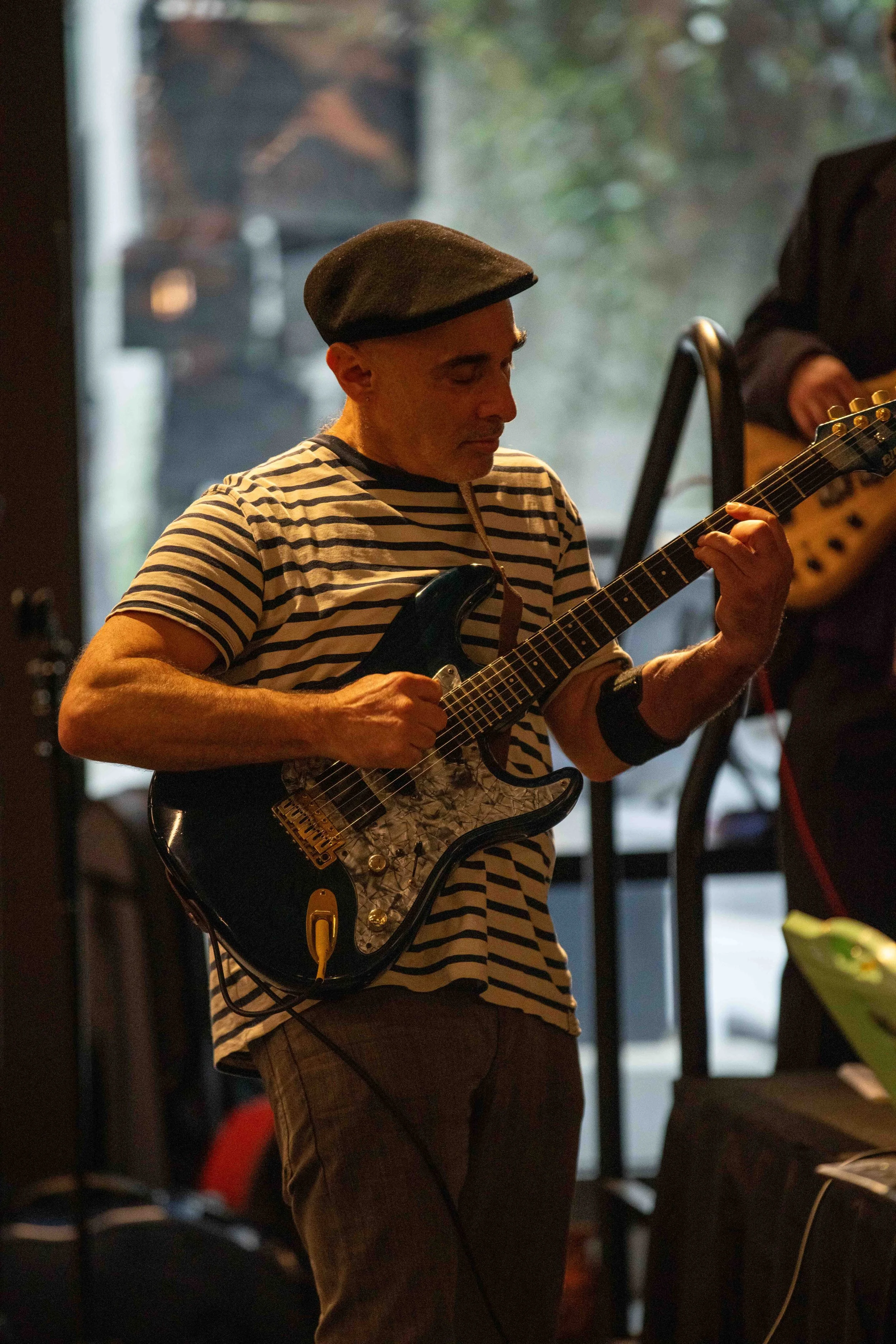
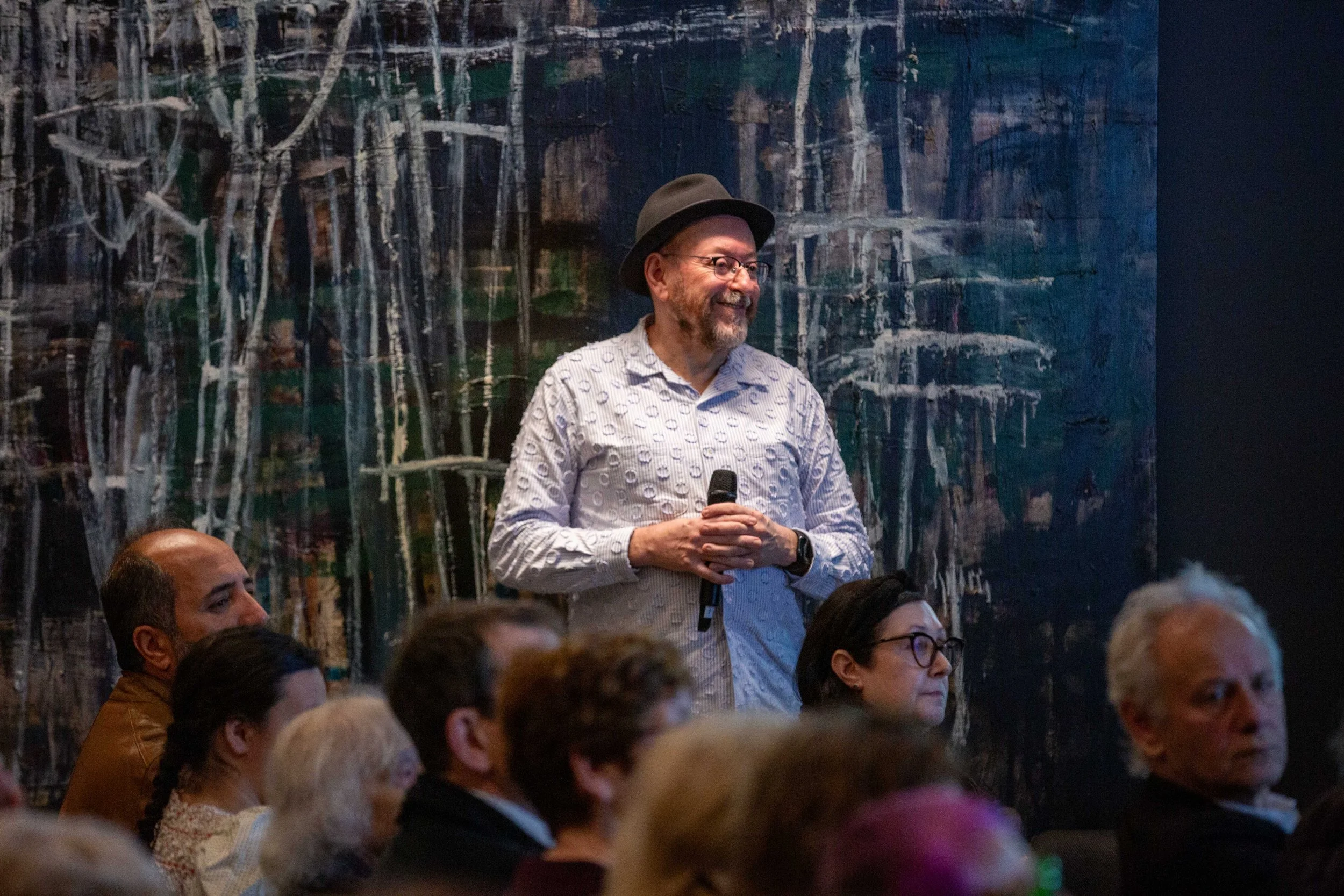
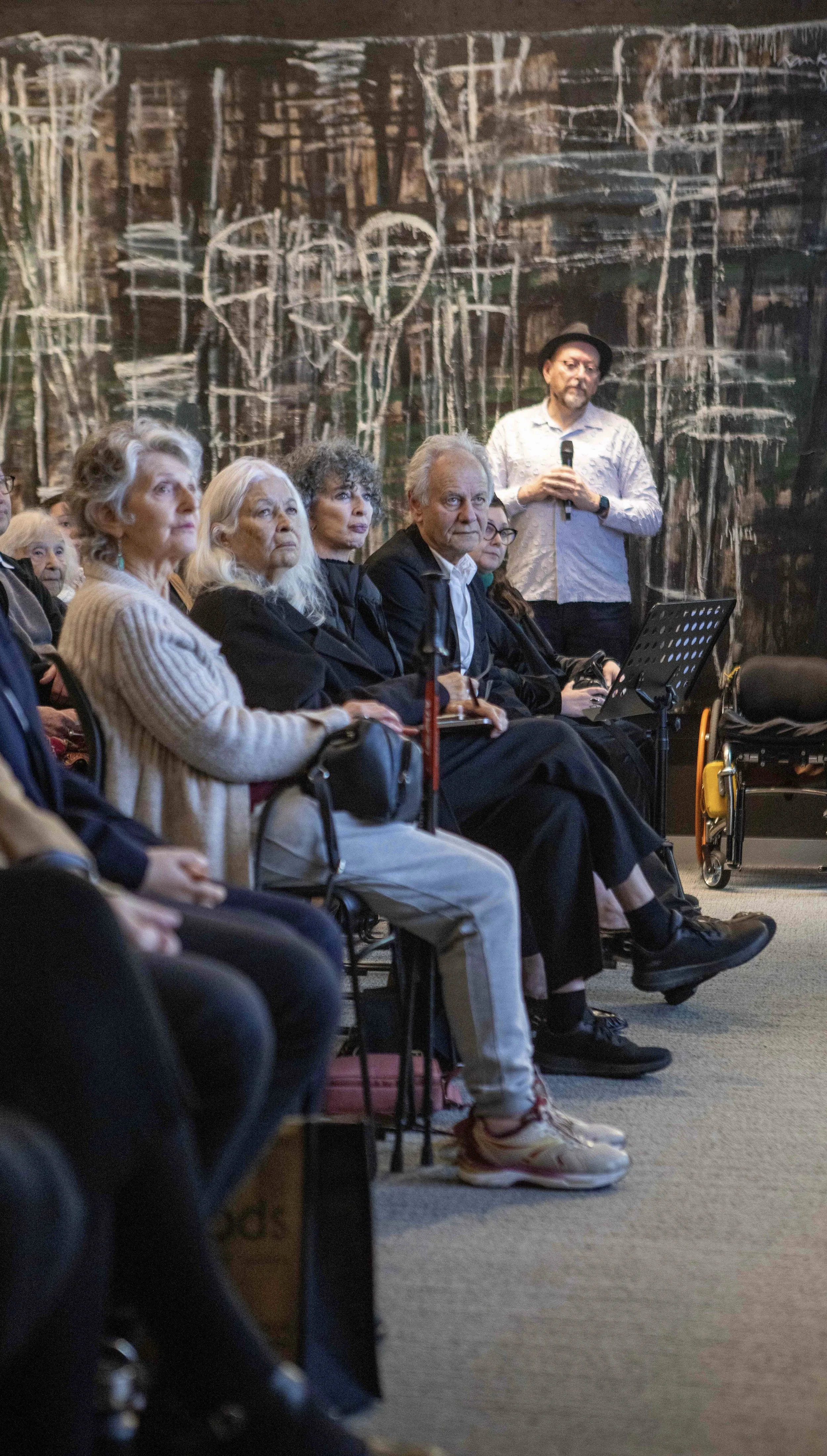
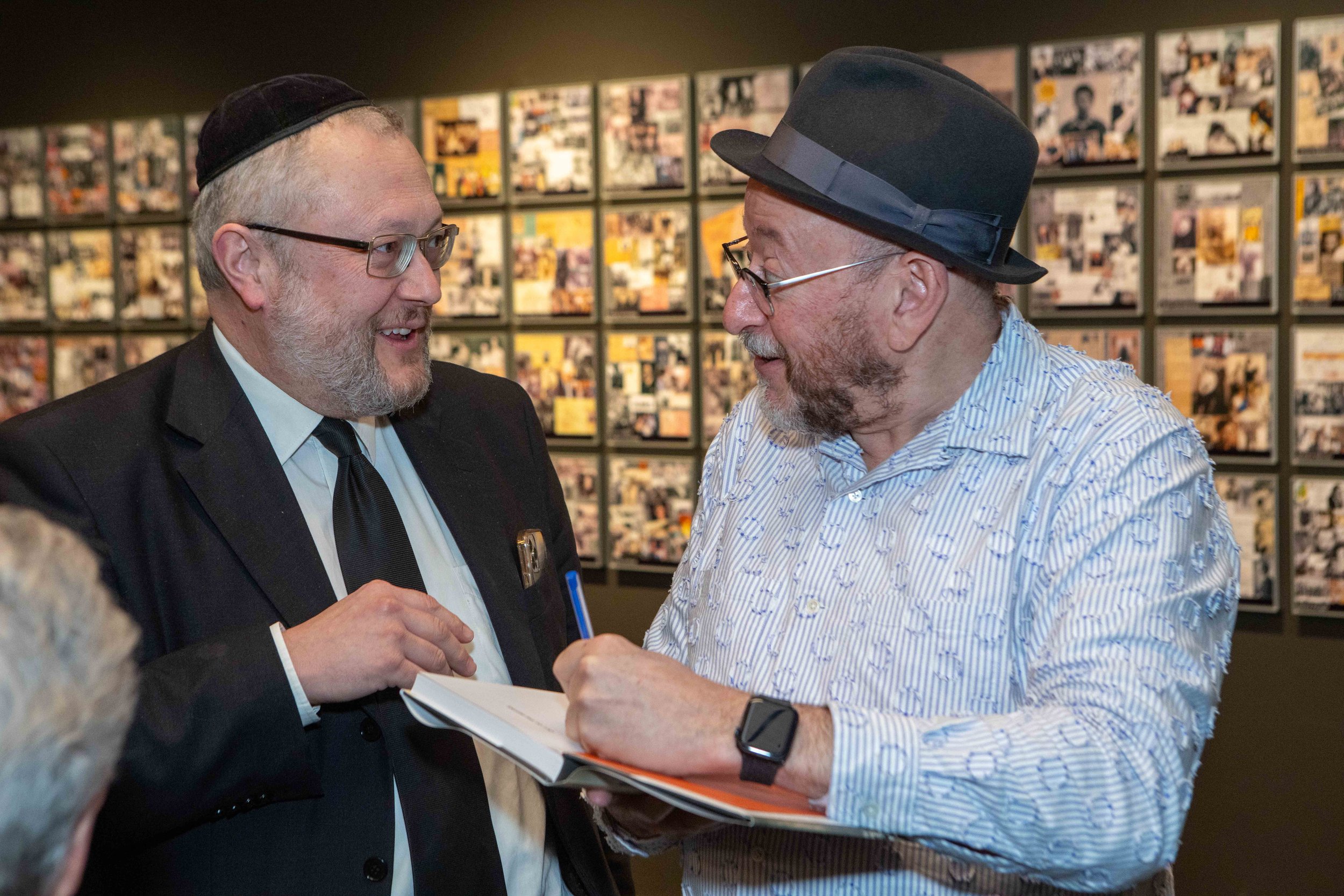
Marcia Langton Launches Out of the Depths at the Melbourne Holocaust Museum
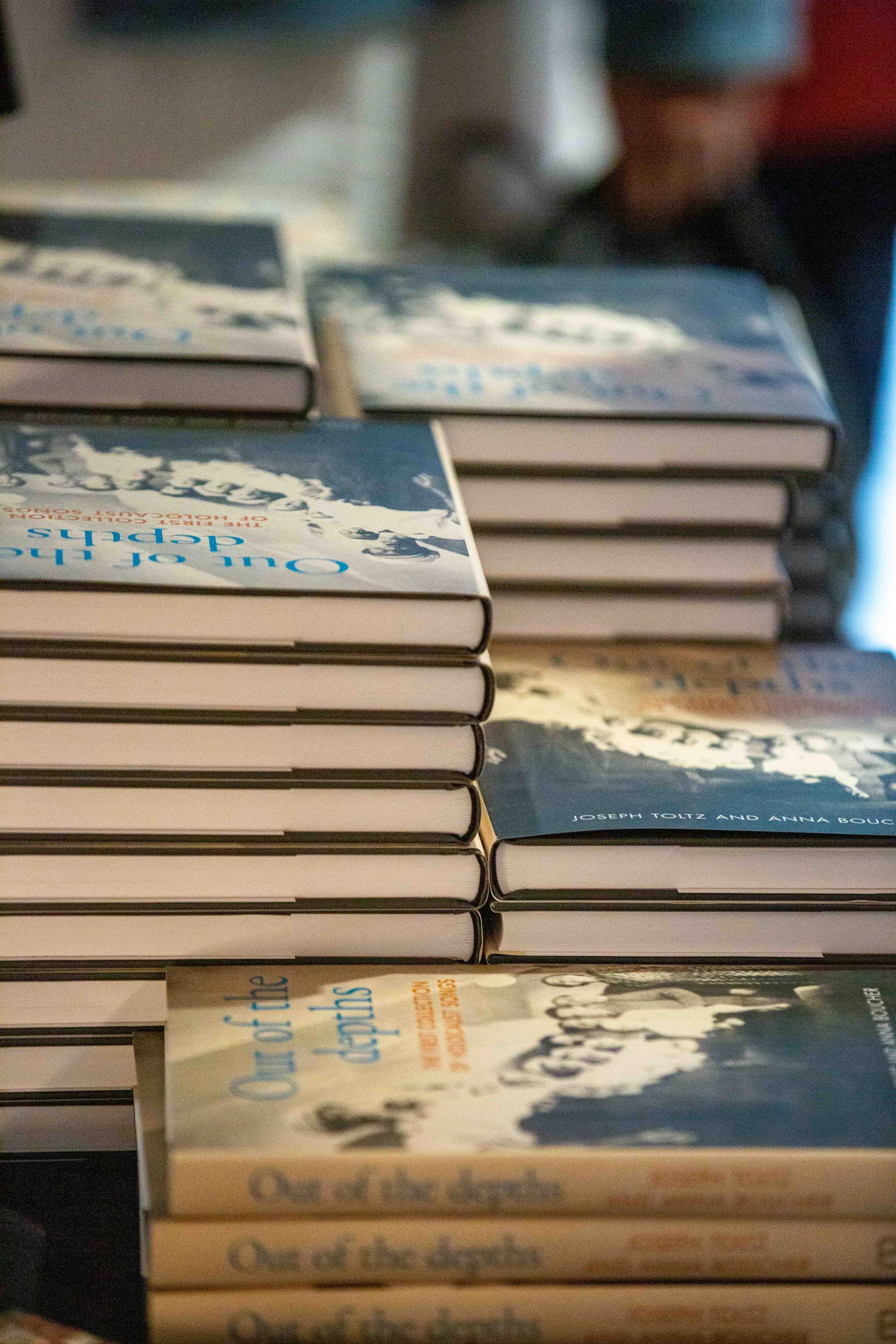
At the launch of Out of the Depths: The First Collection of Holocaust Songs at the Melbourne Holocaust Museum, Professor Marcia Langton AO delivered a powerful keynote address that framed the book as “an act of archival recovery, cultural preservation, and resistance against forgetting”.
In praising the work of the authors, Langton highlighted the years of effort required to reconstruct the histories behind the songs. Following the rediscovery of a surviving copy of the original pamphlet, the researchers traced survivors and descendants, investigated the biographies of composers, and situated each song within its broader historical context. Their work, she argued, transformed a fragile surviving artefact into a rich and accessible record of Jewish cultural life during and after the Holocaust.
A central theme of Langton's address was the idea of song as archive. While archives are often imagined as collections of documents and official records, she suggested that the songs collected in Out of the Depths reveal another form of historical preservation. Songs carry emotion, memory, relationships and lived experience. Created not only by professional writers but also by children, workers and refugees, they preserve dimensions of history that formal records cannot always capture.
Drawing on her own experiences, Langton spoke about the deep connections between Jewish and Indigenous understandings of song as repositories of knowledge. In Aboriginal traditions, songs encode geography, law, spirituality, kinship and history. Songlines map landscapes and sustain cultural memory across generations. She observed that the Holocaust songs documented in Out of the Depths perform a comparable function, preserving communal memory under conditions of persecution and cultural destruction.
Langton paid particular attention to the fragility of cultural survival. The original 1945 songbook endured largely by chance. Printed on poor-quality paper and preserved through individual acts of care rather than institutional archiving, its survival illustrated how cultural memory often depends upon ordinary people who safeguard precious materials for future generations. She noted that if this single pamphlet had been lost, an entire body of cultural history might have vanished with it.
The speech also explored the importance of collectors and community custodians. Langton drew attention to the Yiddish tradition of the zamler — individuals who gathered and preserved books, songs and cultural artefacts out of commitment rather than professional obligation. Such grassroots practices, she argued, function as "counter-archives", ensuring that histories threatened by erasure remain accessible to future generations.
For Langton, this work carries profound ethical significance. The Nazi destruction of Jewish communities was accompanied by efforts to extinguish Jewish cultural life itself. Recovering and republishing these songs therefore represents more than historical scholarship. It is an act of resistance to that attempted erasure and a reaffirmation of cultural continuity.
Throughout her address, Langton emphasised that the songs are testimonies of survival. Written under conditions of terror, deprivation and displacement, they reveal forms of resistance that extend beyond armed struggle. A remembered melody, a shared lyric, or a song passed from one person to another could preserve identity, dignity and hope when almost everything else was under threat. As she noted, books can be burned, but songs carried in memory are far more difficult to destroy.
The keynote concluded with a reflection on the responsibilities of the present. As the generation of direct Holocaust witnesses passes, the task of remembrance increasingly falls to others. Out of the Depths, Langton argued, invites readers not merely to learn about history but to listen to it. The songs preserved in the collection are reminders that culture endures even in the face of catastrophic violence and that memory remains an active, collective responsibility. Through song, she suggested, fragments of a destroyed world have been gathered once again, allowing voices that might otherwise have been lost to continue speaking to future generations.